 Aptamer-Functionalized Silicon Nanonet-Based Field-Effect-Transistors Combined with Machine Learning for Real-Time Detection of 17β-Estradiol
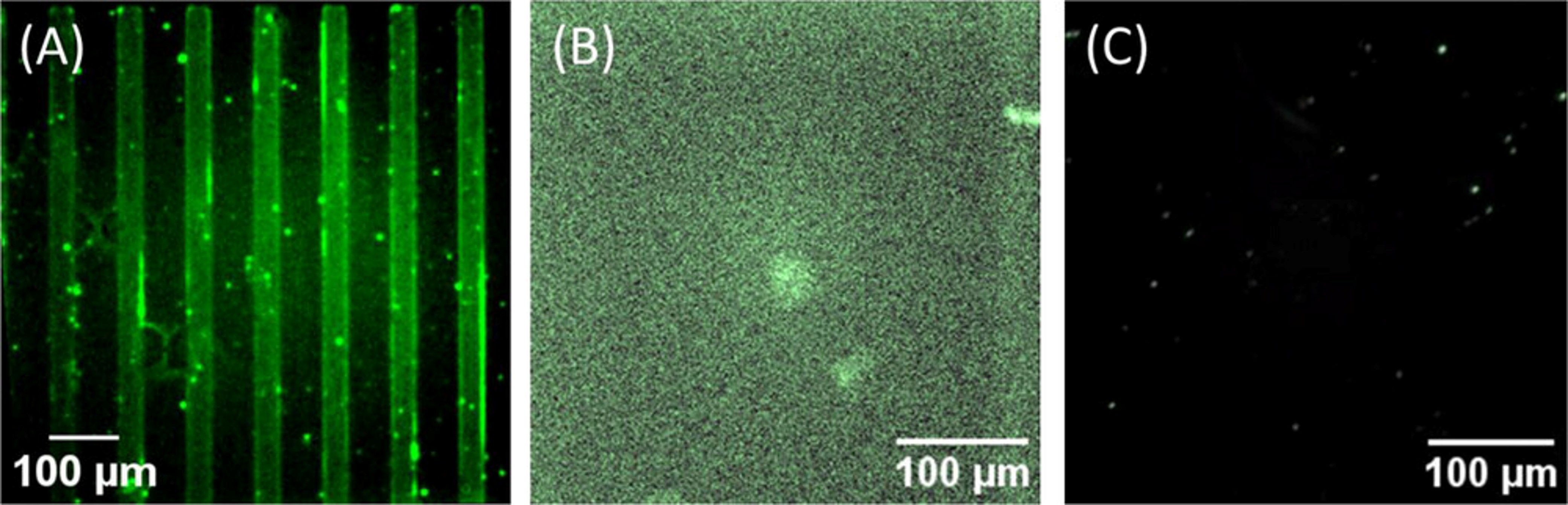
Accurate monitoring of reproductive hormones is essential for the diagnosis and for improving treatment outcomes in infertility, polycystic ovary syndrome (PCOS), and other endocrine disorders. Conventional methods such as enzyme-linked immunosorbent assay (ELISA) are reliable but often invasive, time-consuming, and hence unsuitable for real-time or point-of-care applications. We present a silicon nanonet-based field-effect transistor (BioFET) functionalized with DNA aptamers as a nano-biosensing platform for discrete and real-time detection of 17β estradiol (E2)—a key biomarker in reproductive health. The biosensor exhibits concentration-dependent changes in drain–source current (ISD) across E2 levels of 20–400 pg/mL in phosphate-buffered saline, reflecting physiologically relevant conditions. Minimal responses to progesterone and testosterone (200 pg/mL) confirm high selectivity. Analysis of the transfer characteristics shows a consistent increase in IDS at fixed gate voltage with rising E2 concentration, while fluorescence microscopy verifies spatially controlled aptamer immobilization. The latter is achieved through microcontact printing, which enables patterned deposition of aptamers onto the 3-triethoxysilylpropylsuccinic anhydride (TESPSA)-functionalized silicon surface with high spatial precision. Real-time monitoring at the gate voltage (VG) of 1.5 V enables dynamic tracking of hormone levels and partial signal reversibility after NaCl-induced dissociation. Machine learning (ML) models applied to the time-series biosensor data enable accurate prediction of E2 concentrations. These results emphasize the high potential of aptamer-based BioFETs, particularly when integrated with data-driven analysis, for non-invasive and real-time hormone monitoring in fertility care.
 Aptamer-Functionalized Silicon Nanonet-Based Field-Effect-Transistors Combined with Machine Learning for Real-Time Detection of 17β-Estradiol
Accurate monitoring of reproductive hormones is essential for the diagnosis and for improving treatment outcomes in infertility, polycystic ovary syndrome (PCOS), and other endocrine disorders. Conventional methods such as enzyme-linked immunosorbent assay (ELISA) are reliable but often invasive, time-consuming, and hence unsuitable for real-time or point-of-care applications. We present a silicon nanonet-based field-effect transistor (BioFET) functionalized with DNA aptamers as a nano-biosensing platform for discrete and real-time detection of 17β estradiol (E2)—a key biomarker in reproductive health. The biosensor exhibits concentration-dependent changes in drain–source current (ISD) across E2 levels of 20–400 pg/mL in phosphate-buffered saline, reflecting physiologically relevant conditions. Minimal responses to progesterone and testosterone (200 pg/mL) confirm high selectivity. Analysis of the transfer characteristics shows a consistent increase in IDS at fixed gate voltage with rising E2 concentration, while fluorescence microscopy verifies spatially controlled aptamer immobilization. The latter is achieved through microcontact printing, which enables patterned deposition of aptamers onto the 3-triethoxysilylpropylsuccinic anhydride (TESPSA)-functionalized silicon surface with high spatial precision. Real-time monitoring at the gate voltage (VG) of 1.5 V enables dynamic tracking of hormone levels and partial signal reversibility after NaCl-induced dissociation. Machine learning (ML) models applied to the time-series biosensor data enable accurate prediction of E2 concentrations. These results emphasize the high potential of aptamer-based BioFETs, particularly when integrated with data-driven analysis, for non-invasive and real-time hormone monitoring in fertility care.