






Grand Opening of the Special Exhibition “The Future of Smelling”
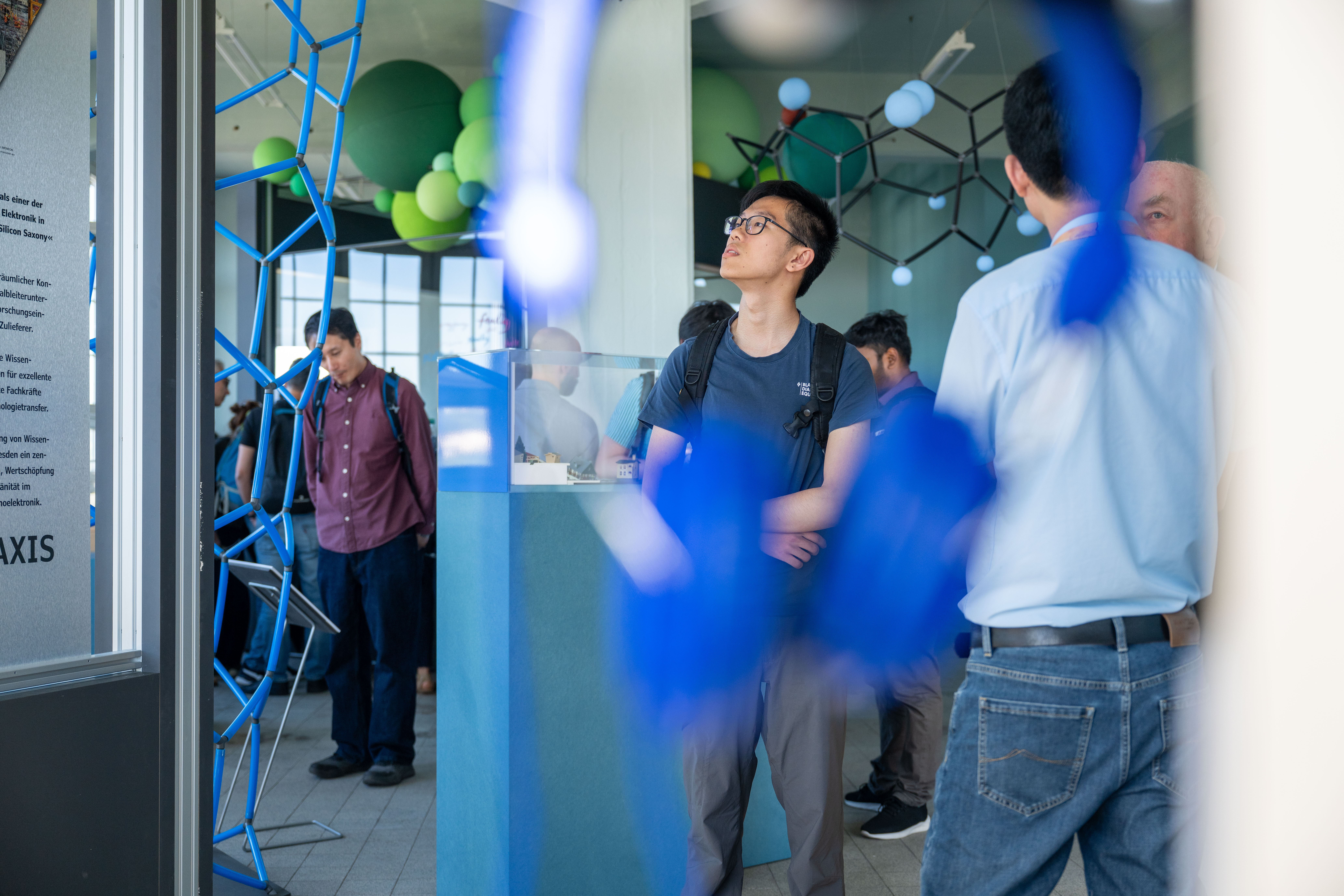
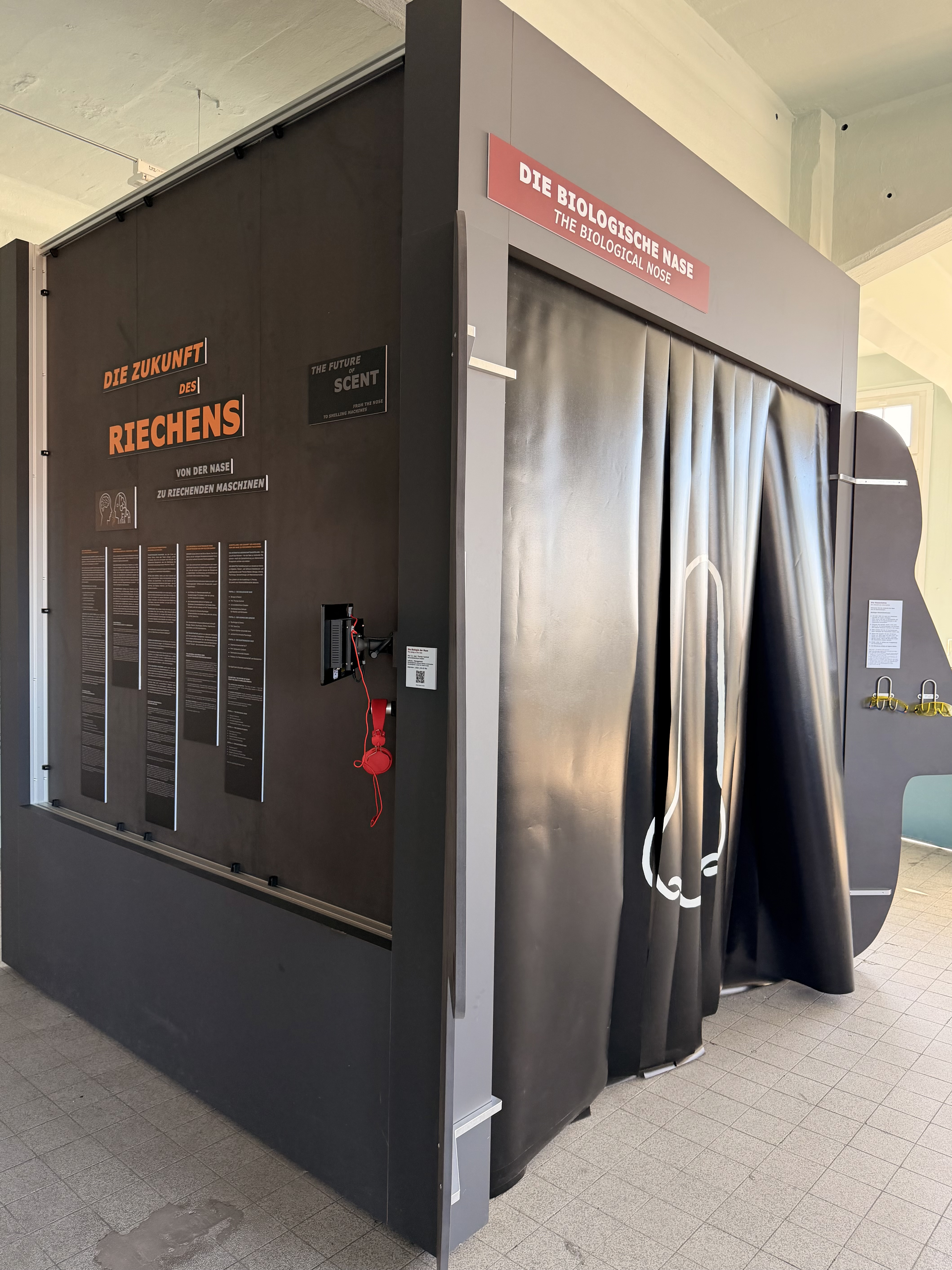
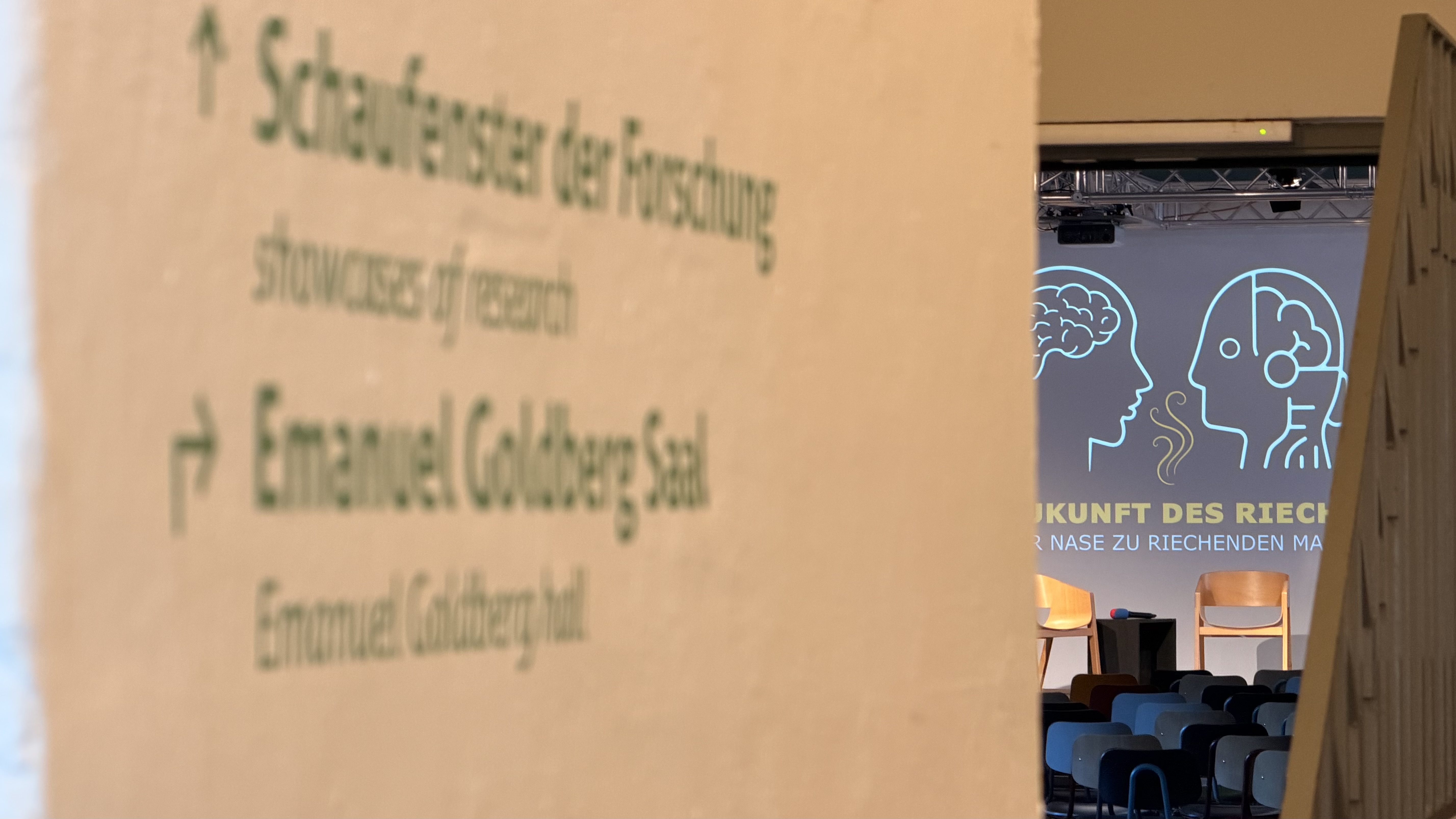
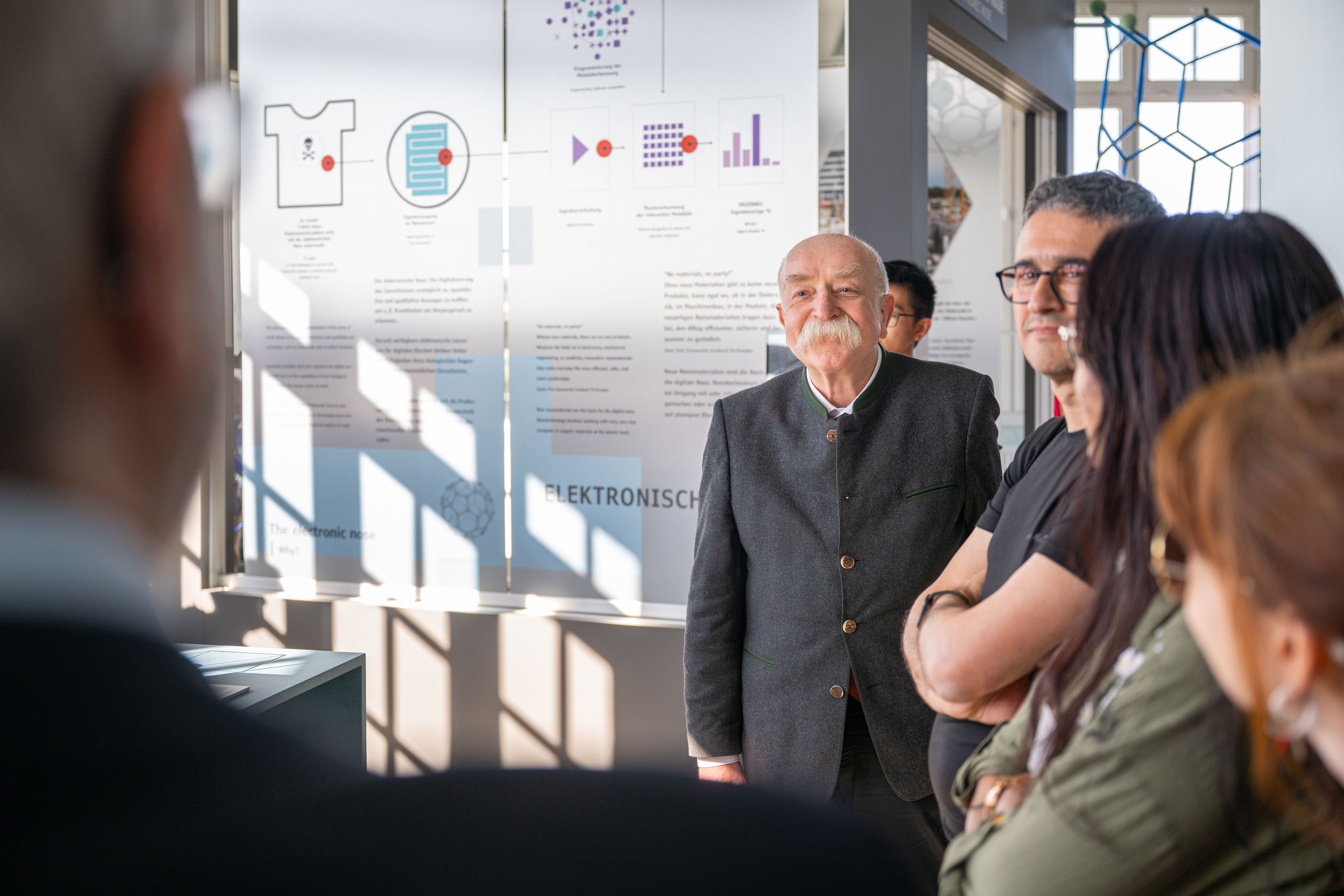
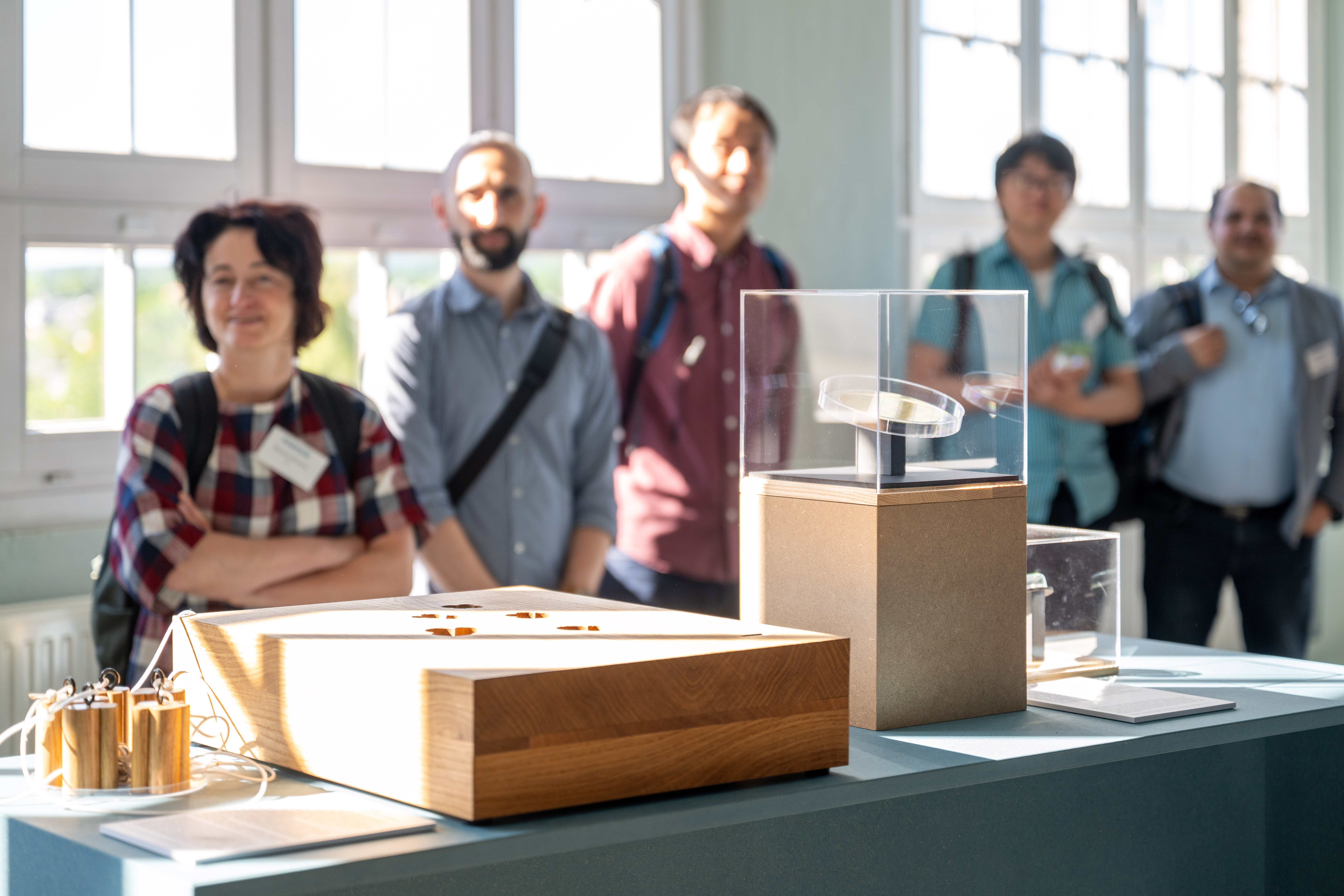
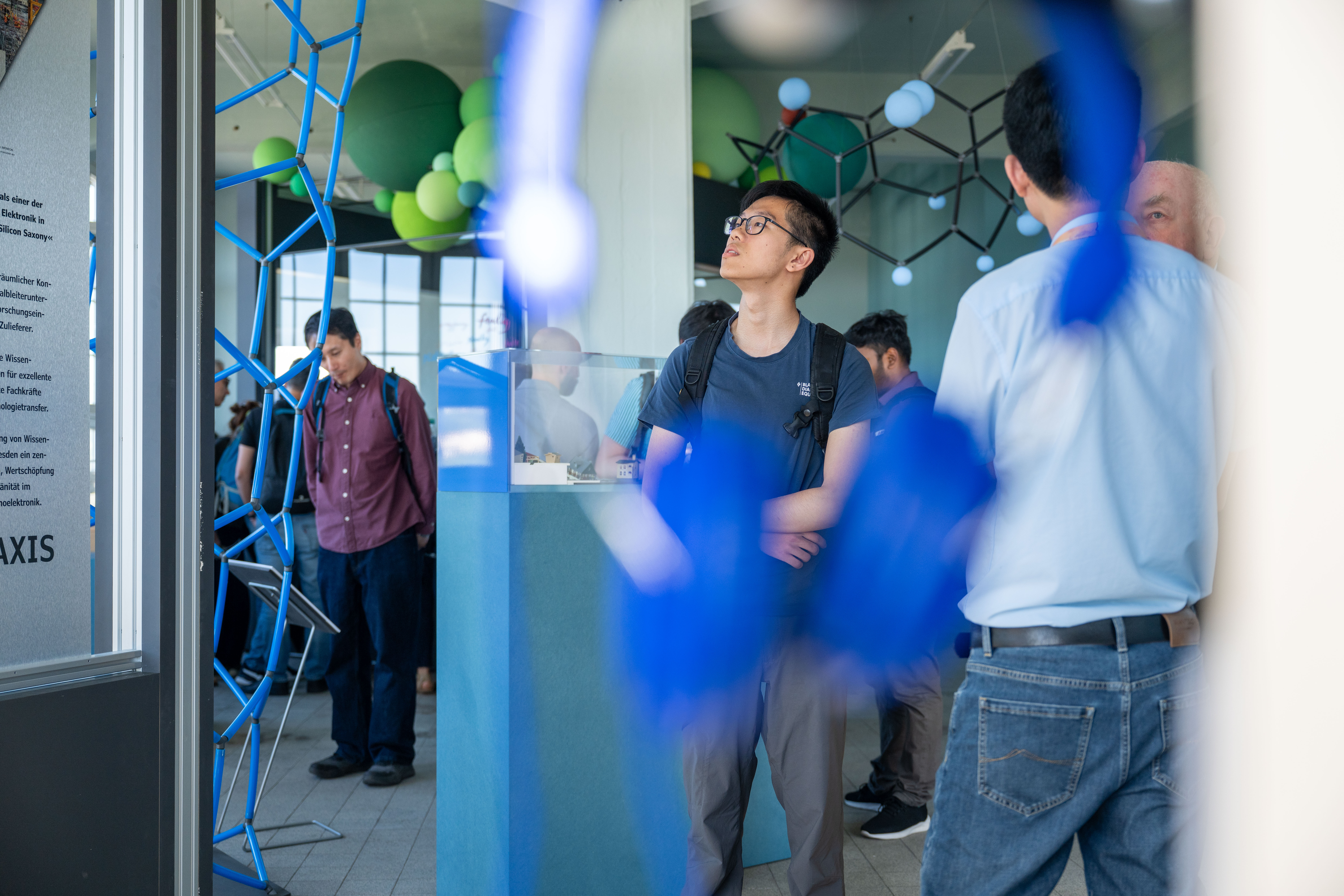
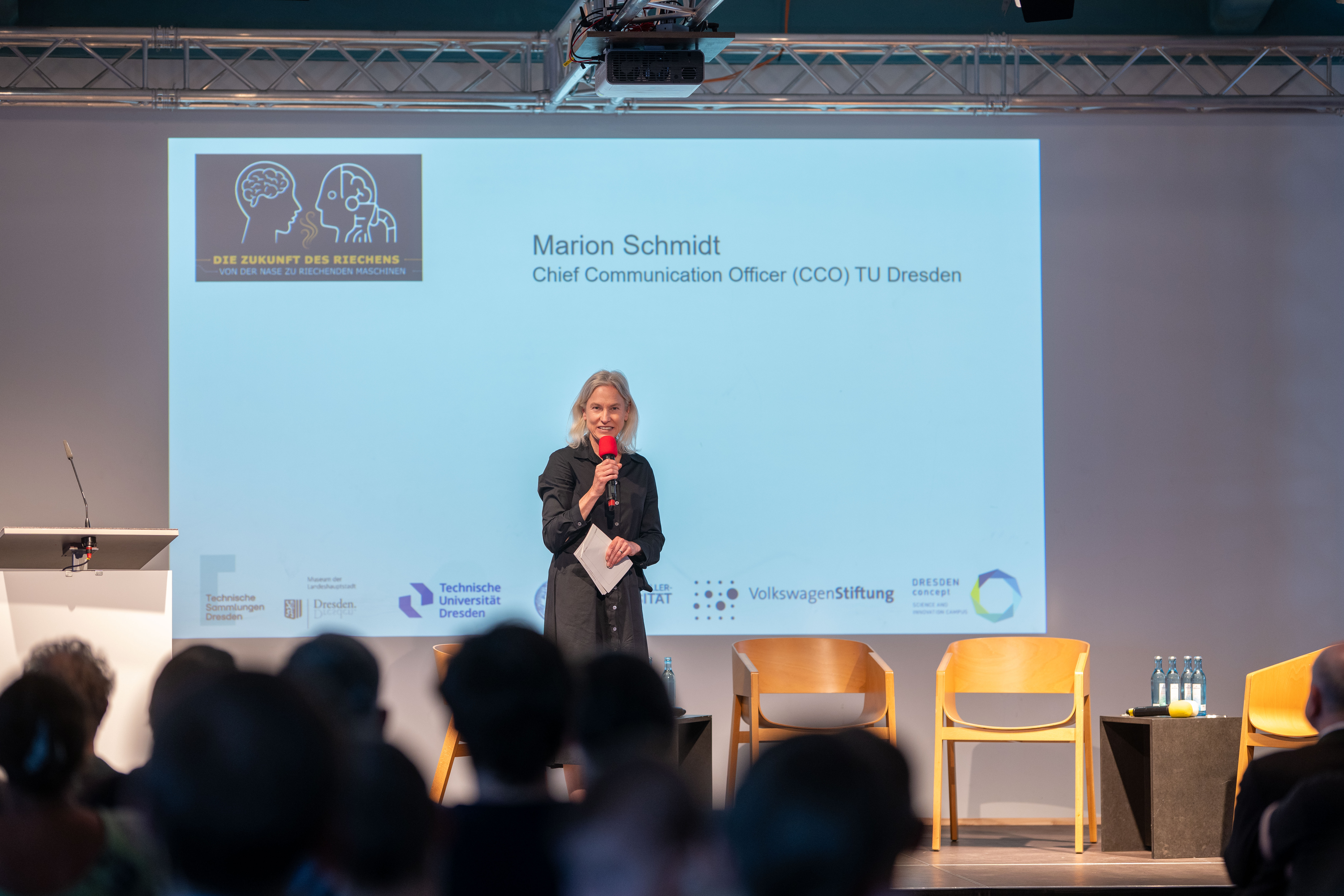
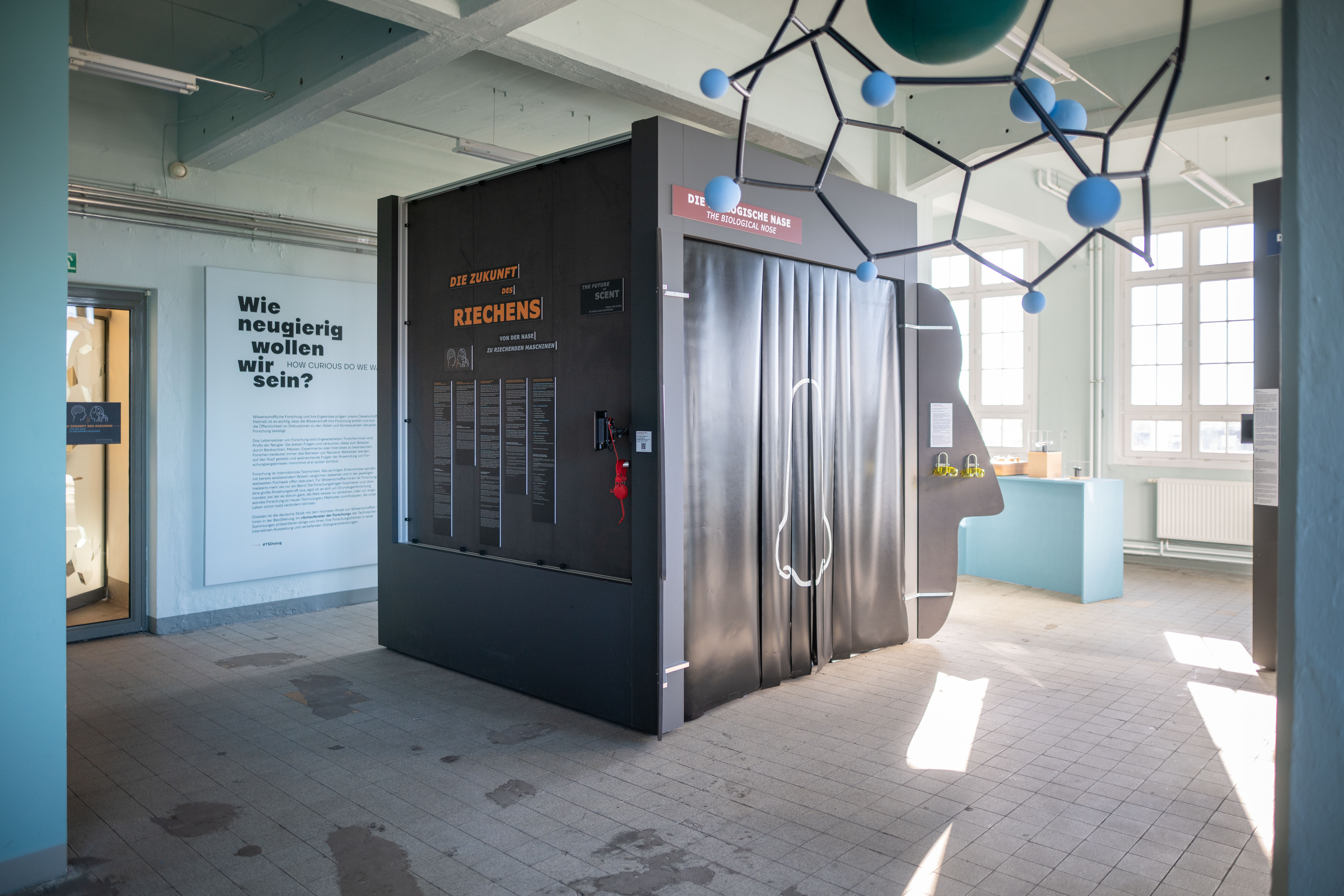
On 27 May 2026, the Science Museum of Dresden, Technische Sammlungen Dresden, celebrated the opening of the new interactive science exhibition “The Future of Smelling: From the Nose to Smelling Machines” at the museum’s Schaufenster der Forschung.
The exhibition explored one of the most underestimated human senses: smell. Often operating below the threshold of conscious perception, the olfactory system acts as a powerful biological navigator. In nature, animals use smell to detect food sources across large distances, recognize emotions, and even identify diseases through body odor long before clinical symptoms appear.
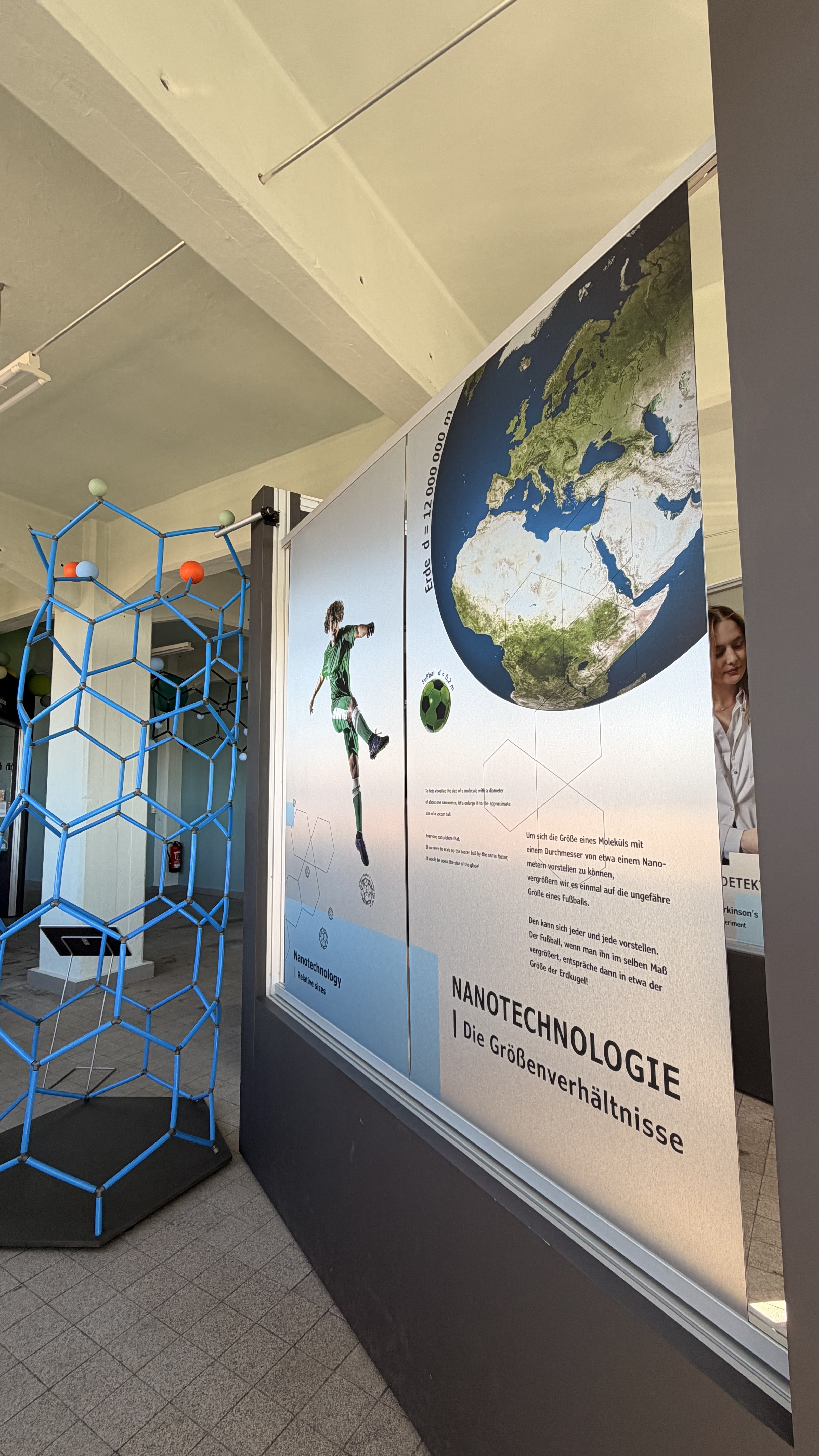
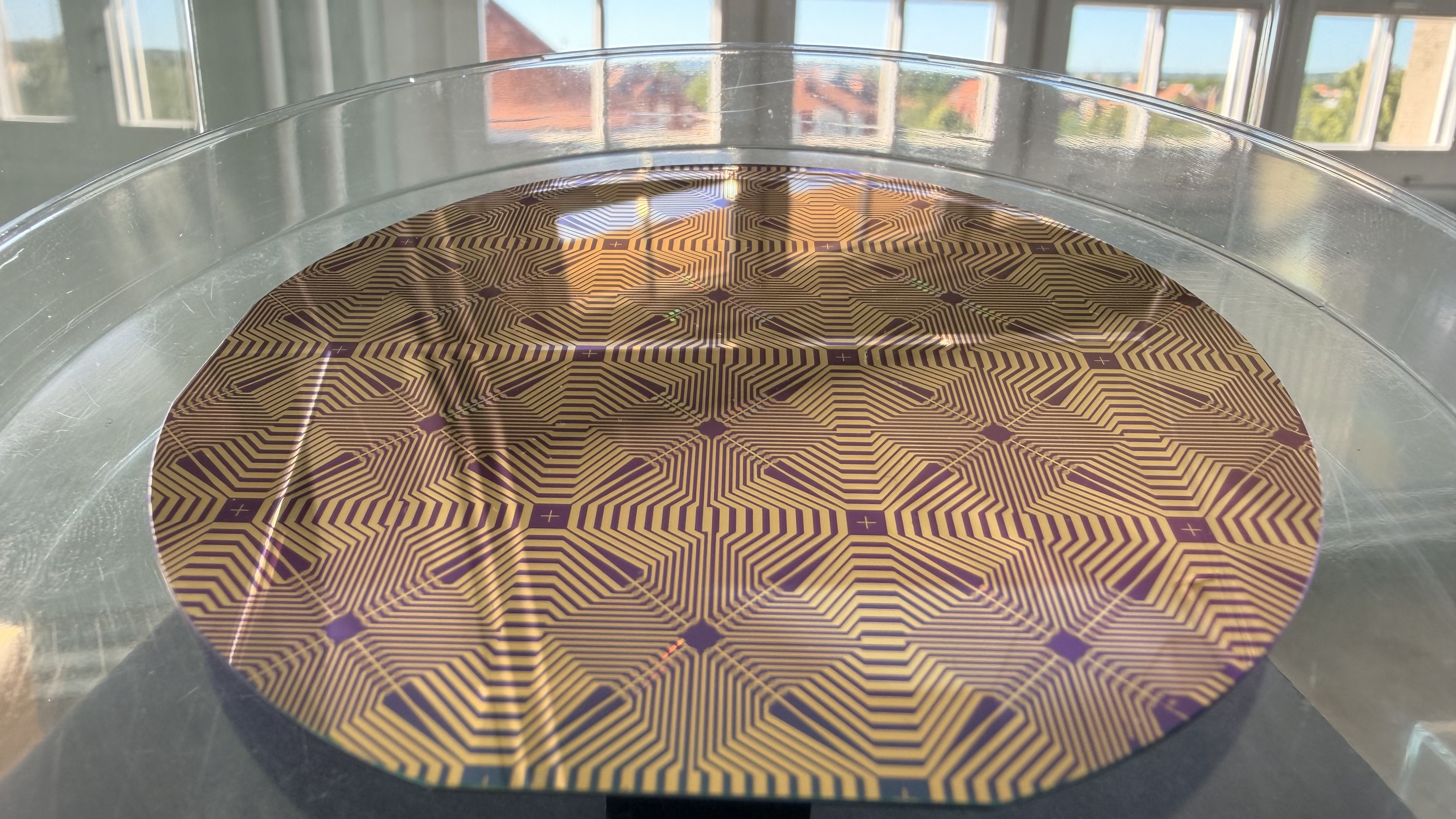
The exhibition presented how current interdisciplinary research is translating these biological capabilities into technological systems. Inspired by the Volkswagen Foundation funded research initiative Olfactorial Perceptronics, scientists from Dresden and Jena are developing new approaches at the interface of materials science, nanotechnology, medicine, psychology, and artificial sensing technologies.
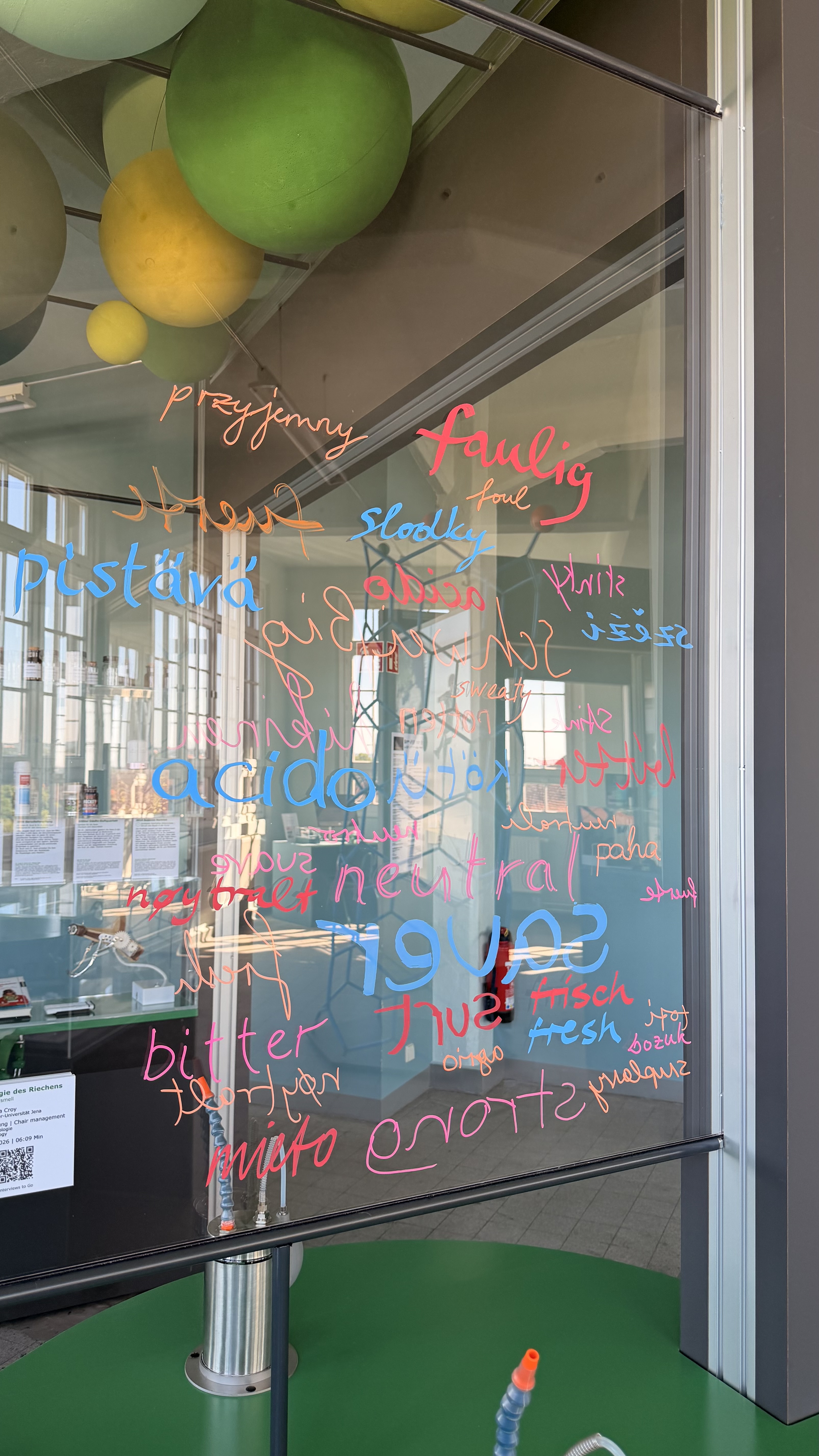
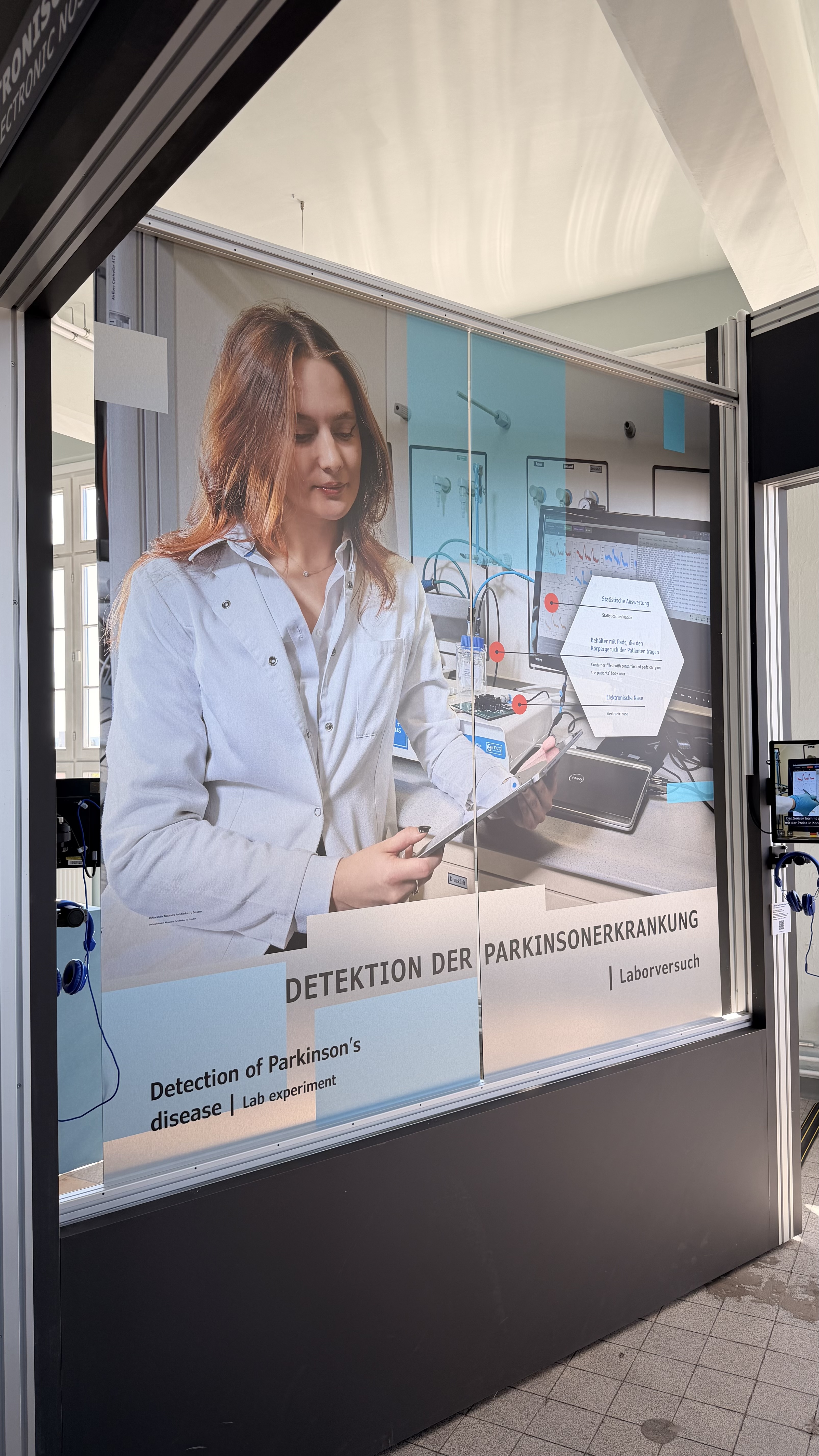
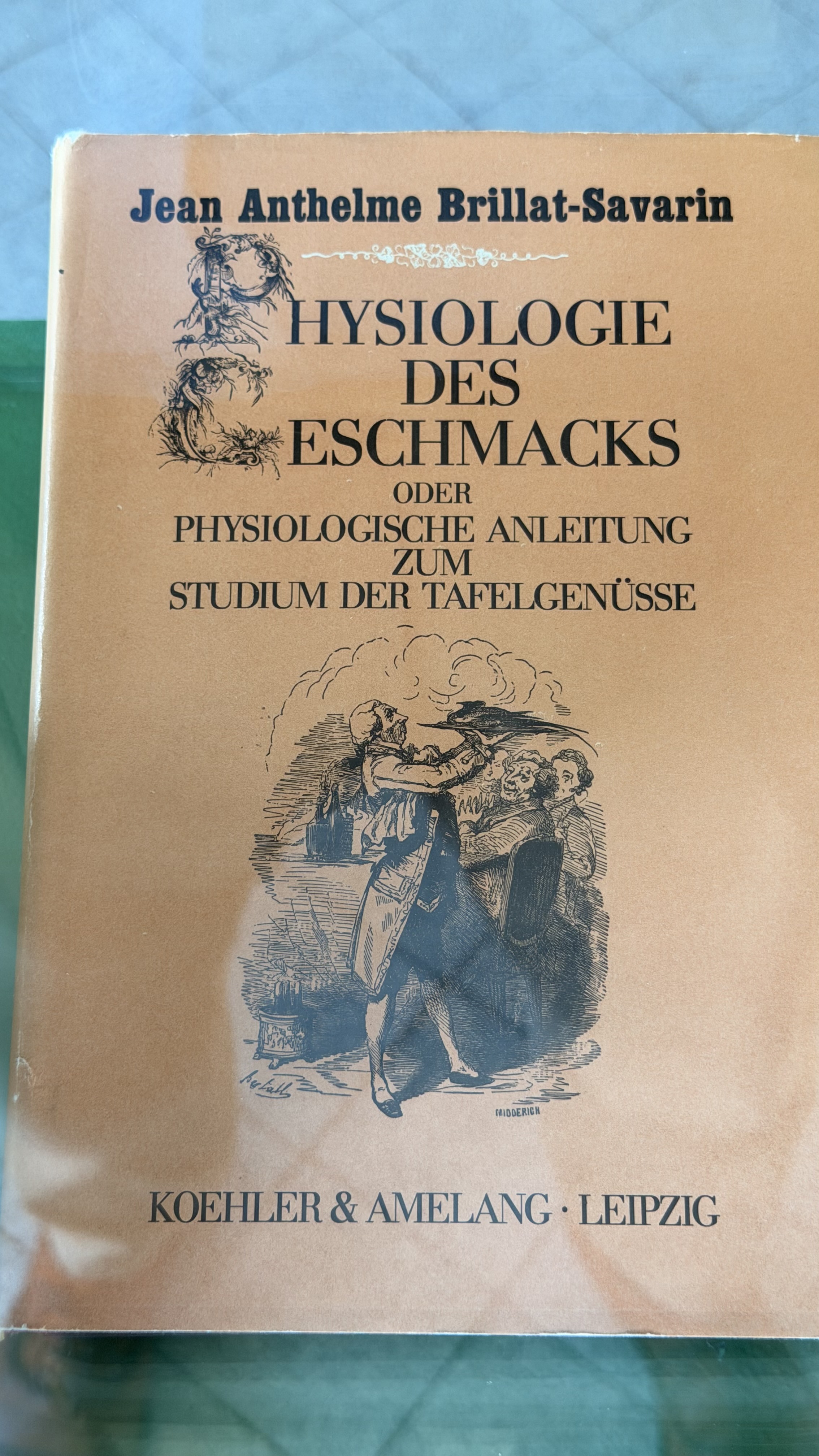
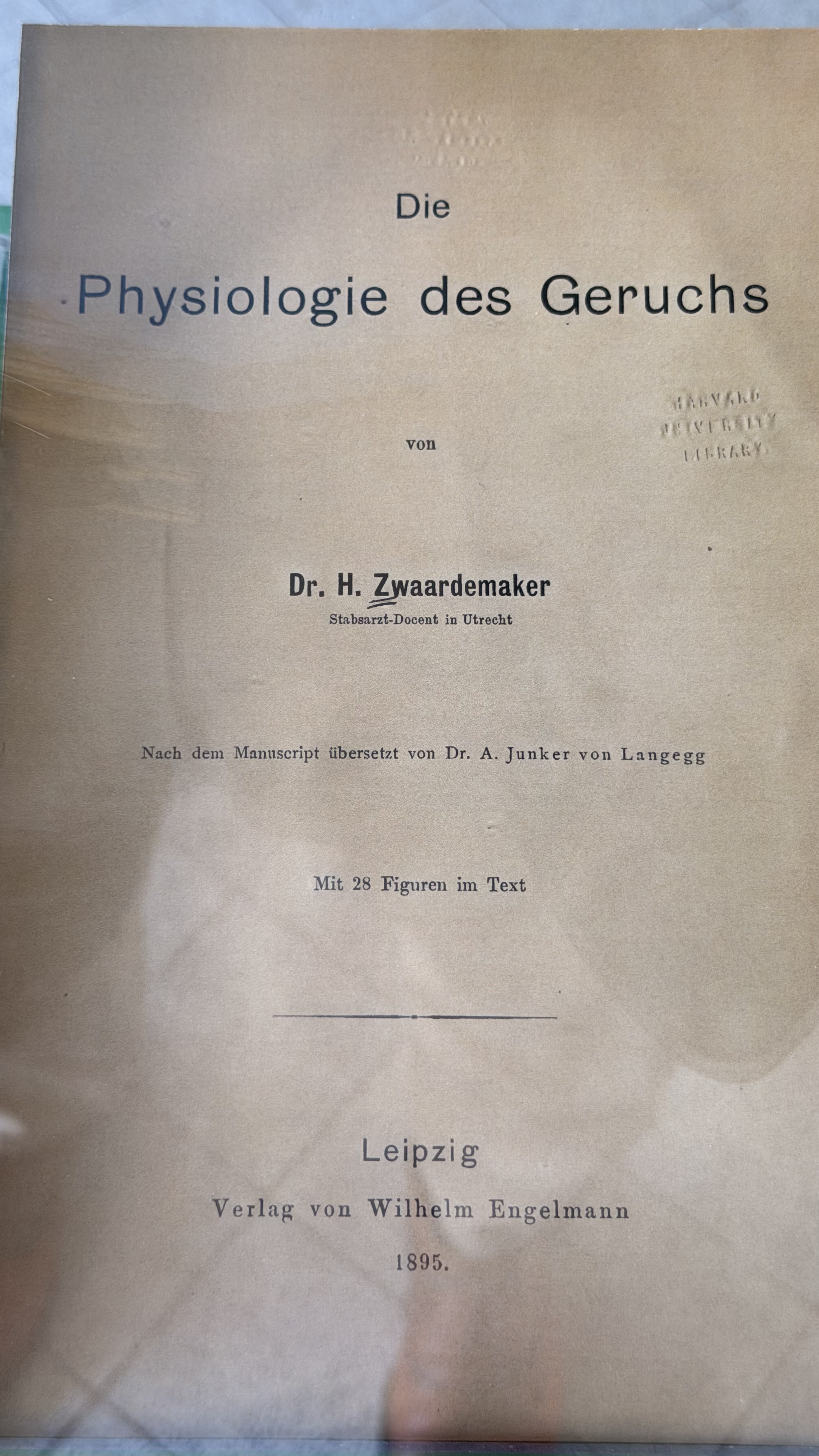
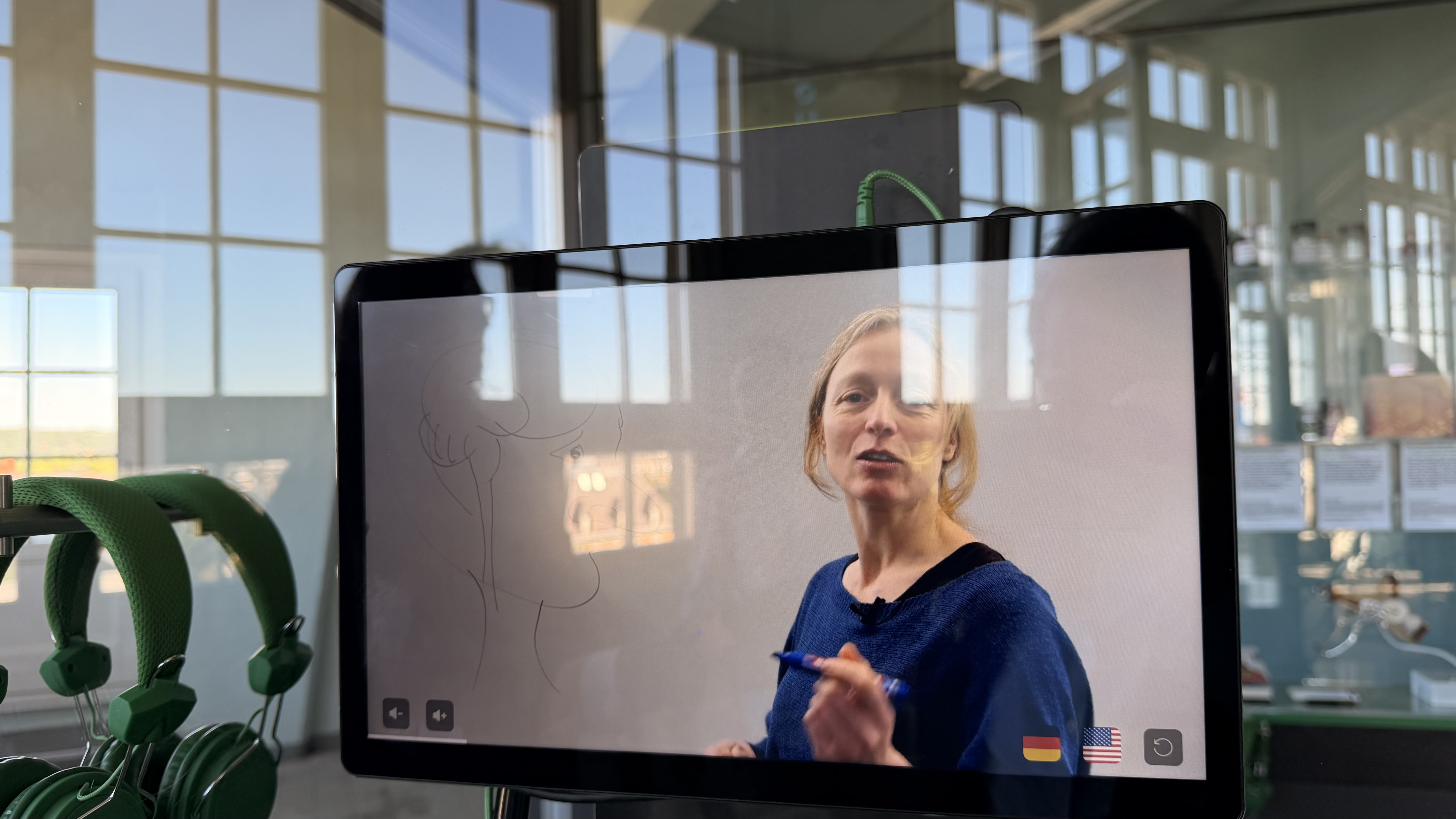
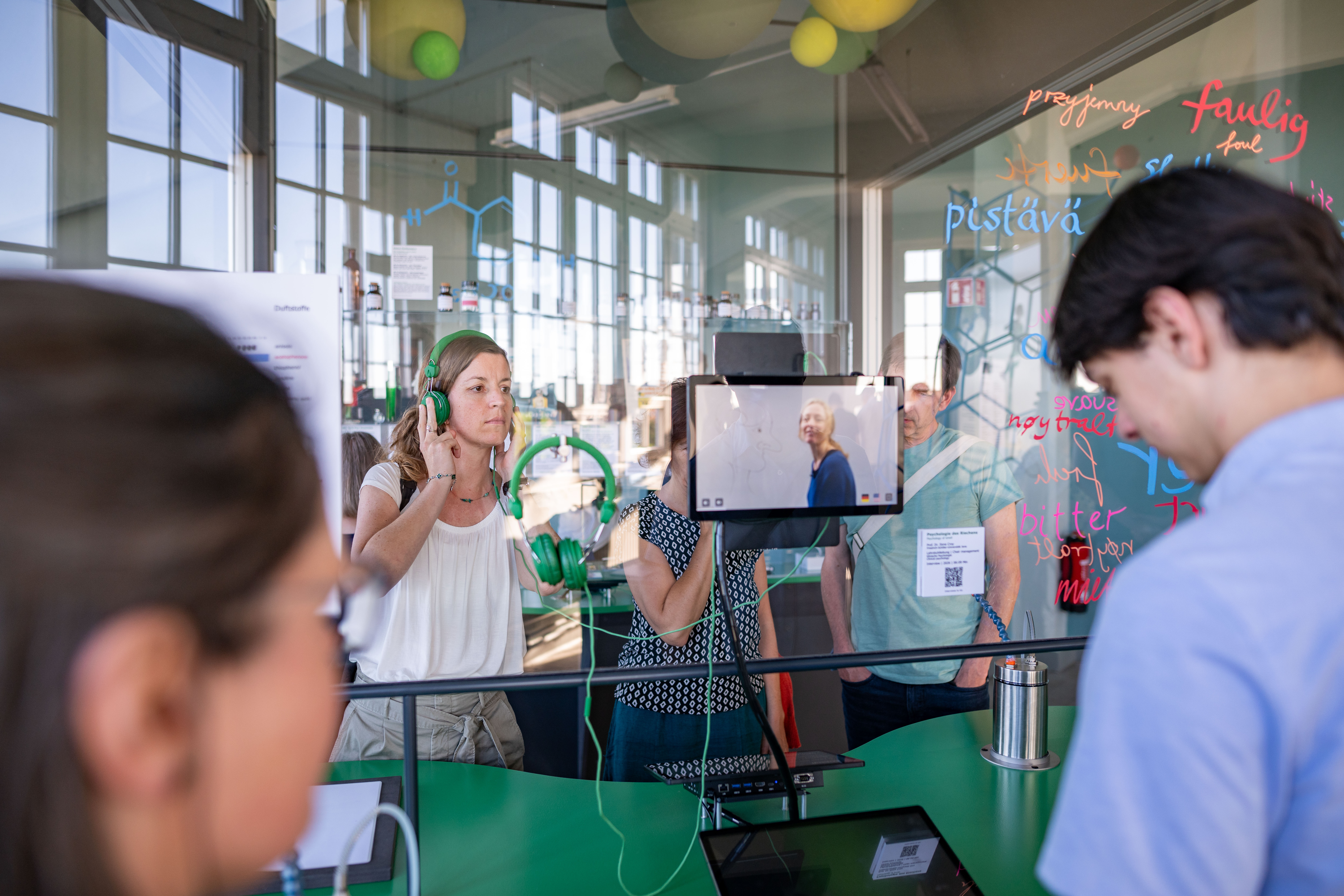
A central focus of the exhibition was the emerging field of electronic noses and odor sensing platforms, including applications in medical diagnostics such as the detection of Parkinson’s disease through volatile biomarkers. Visitors could interact with experimental setups, multimedia installations, historical scientific artifacts, and demonstrations illustrating how smell may become digitized in future technological ecosystems.
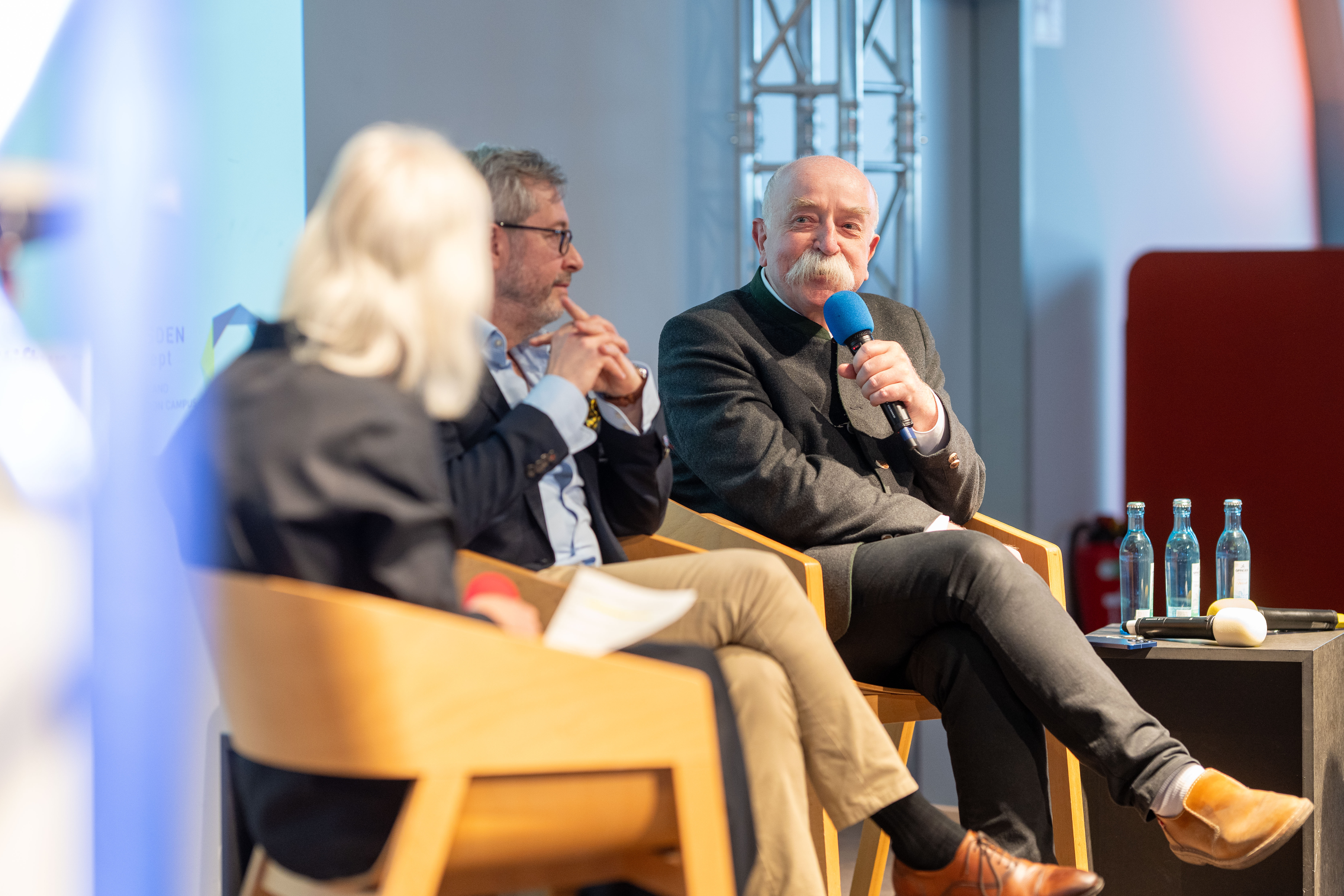
The opening event featured contributions from:


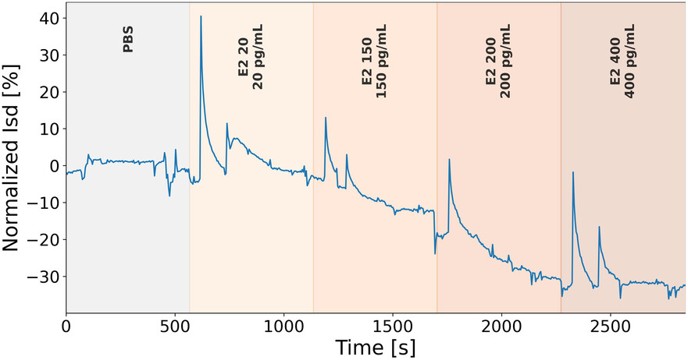
 Machine Learning-Driven Digital Twin of a Field-Effect Transistor-Based Hormone Biosensor for Real-Time Estradiol Monitoring
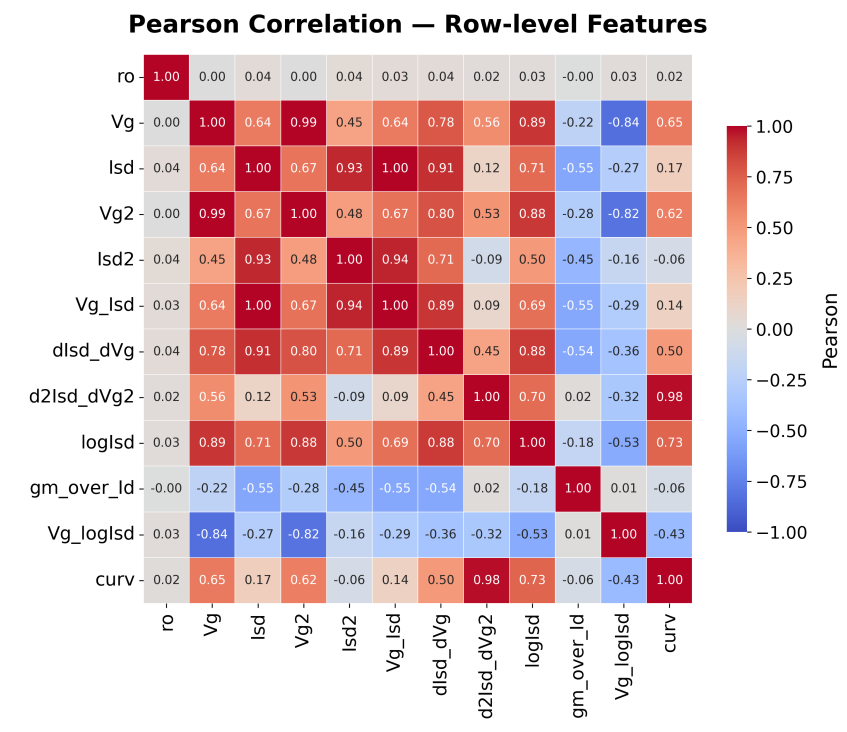 Toward a Machine Learning-Driven Digital Twin for Real-Time Hormone Biosensing in Personalized Infertility Care

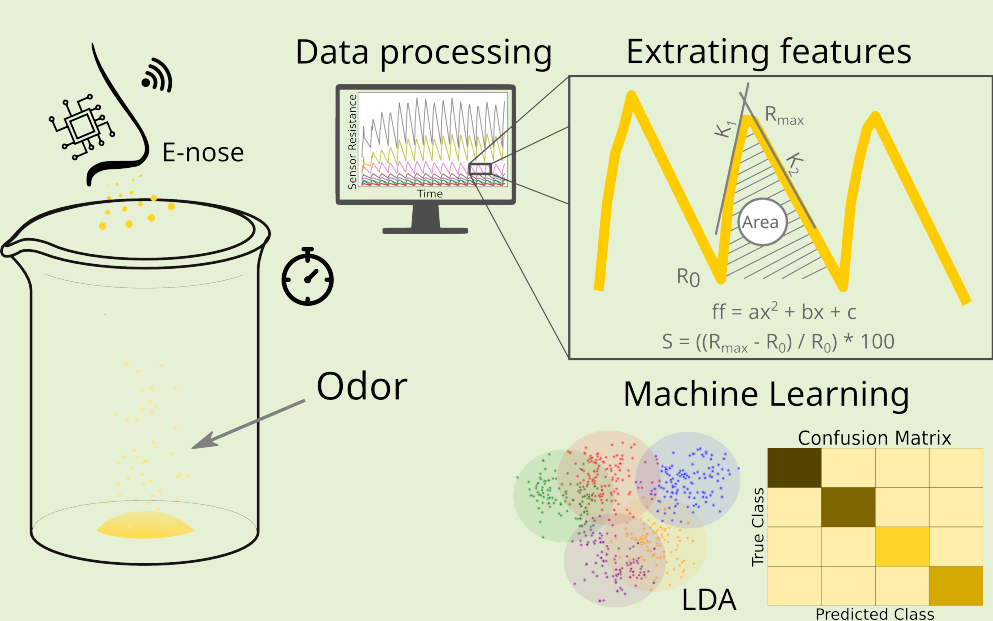 Optimized Gas Sensor Array with AI for Distinguishing and Classifying Similar Odorants
 Hydrogen Gas Sensing Performance of Iron Oxide-Decorated Carbon Nanotubes: The Influence of Iron Oxide Species and Concentration

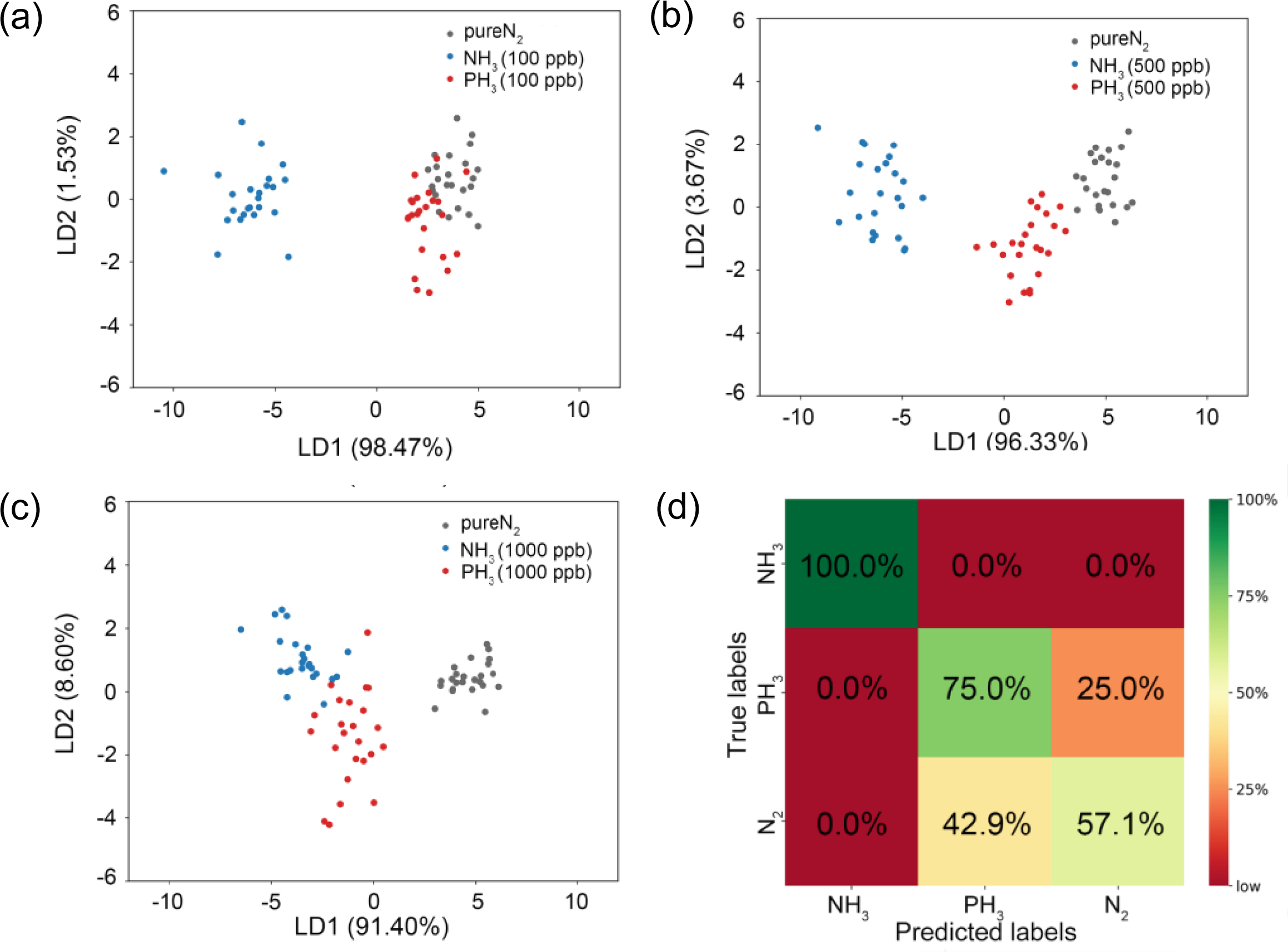
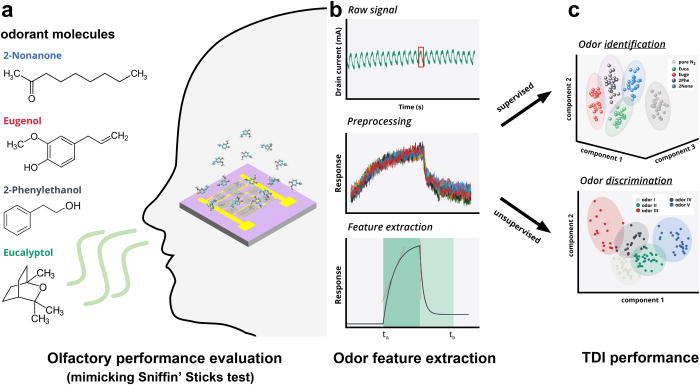 Machine learning-enabled graphene-based electronic olfaction sensors and their olfactory performance assessment
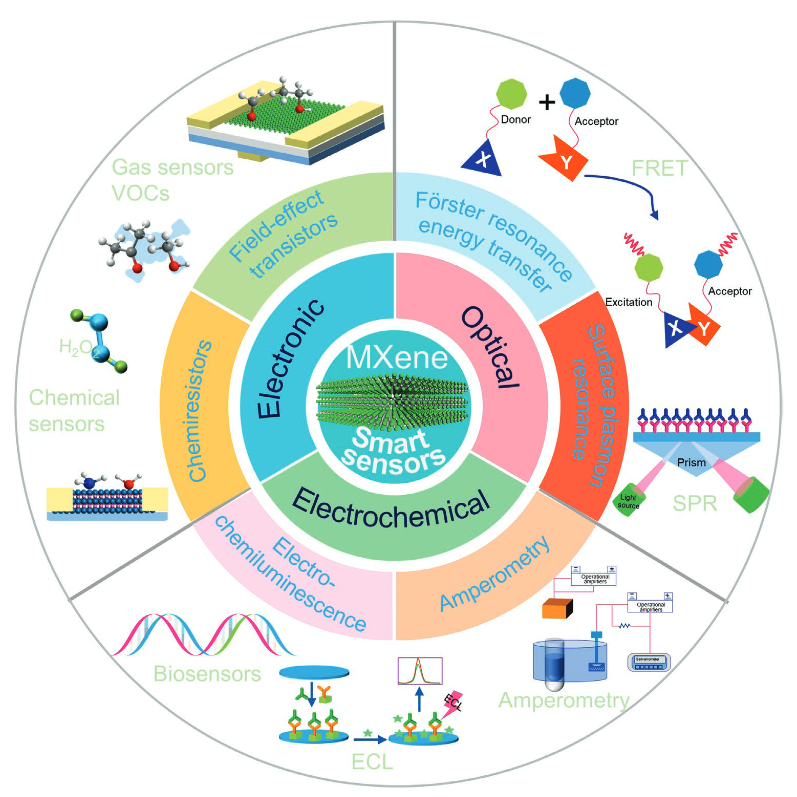 Toward Smart Sensing by MXene
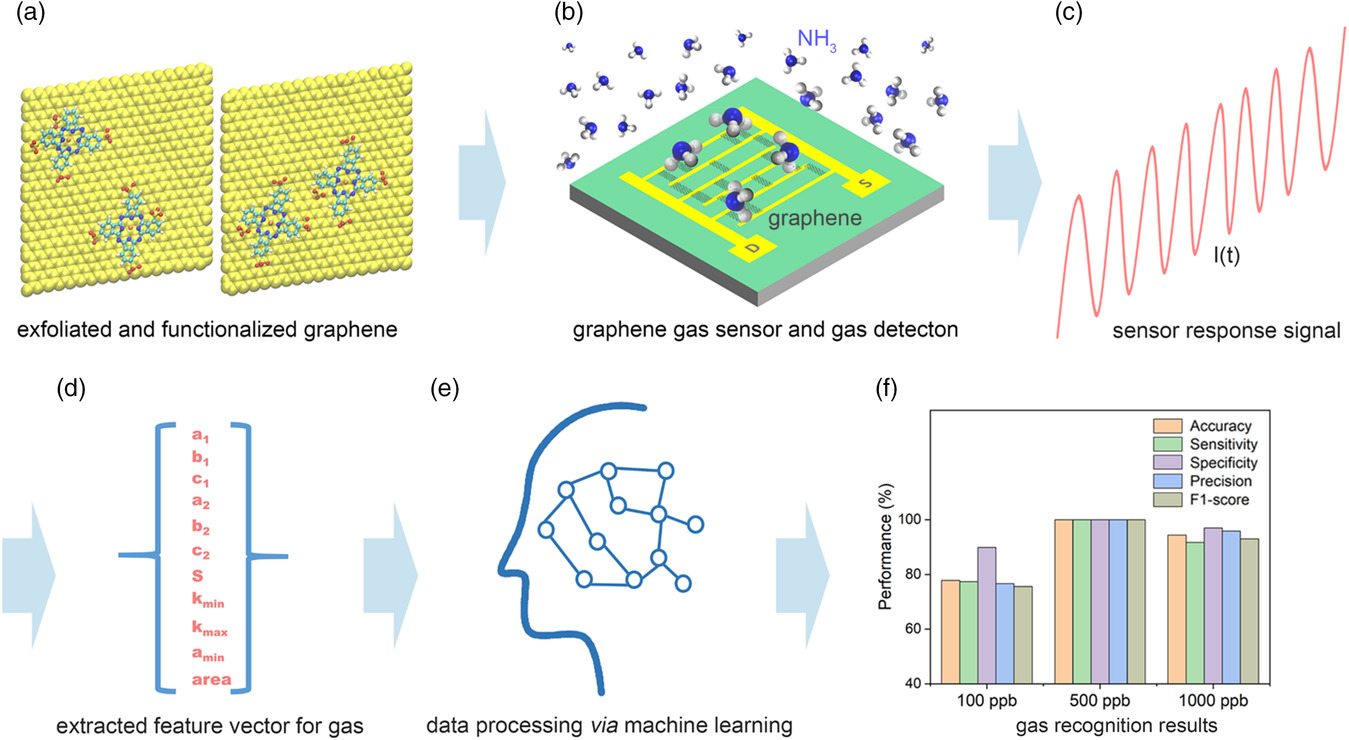 Machine Learning-Enabled Smart Gas Sensing Platform for Identification of Industrial Gases
Grand Opening of the Special Exhibition “The Future of Smelling”
On 27 May 2026, the Science Museum of Dresden, Technische Sammlungen Dresden, celebrated the opening of the new interactive science exhibition “The Future of Smelling: From the Nose to Smelling Machines” at the museum’s Schaufenster der Forschung.
The exhibition explored one of the most underestimated human senses: smell. Often operating below the threshold of conscious perception, the olfactory system acts as a powerful biological navigator. In nature, animals use smell to detect food sources across large distances, recognize emotions, and even identify diseases through body odor long before clinical symptoms appear.
The exhibition presented how current interdisciplinary research is translating these biological capabilities into technological systems. Inspired by the Volkswagen Foundation funded research initiative Olfactorial Perceptronics, scientists from Dresden and Jena are developing new approaches at the interface of materials science, nanotechnology, medicine, psychology, and artificial sensing technologies.
A central focus of the exhibition was the emerging field of electronic noses and odor sensing platforms, including applications in medical diagnostics such as the detection of Parkinson’s disease through volatile biomarkers. Visitors could interact with experimental setups, multimedia installations, historical scientific artifacts, and demonstrations illustrating how smell may become digitized in future technological ecosystems.
The opening event featured contributions from:
Machine Learning-Driven Digital Twin of a Field-Effect Transistor-Based Hormone Biosensor for Real-Time Estradiol Monitoring
Toward a Machine Learning-Driven Digital Twin for Real-Time Hormone Biosensing in Personalized Infertility Care
Optimized Gas Sensor Array with AI for Distinguishing and Classifying Similar Odorants
Hydrogen Gas Sensing Performance of Iron Oxide-Decorated Carbon Nanotubes: The Influence of Iron Oxide Species and Concentration
Machine learning-enabled graphene-based electronic olfaction sensors and their olfactory performance assessment
Toward Smart Sensing by MXene
Machine Learning-Enabled Smart Gas Sensing Platform for Identification of Industrial Gases